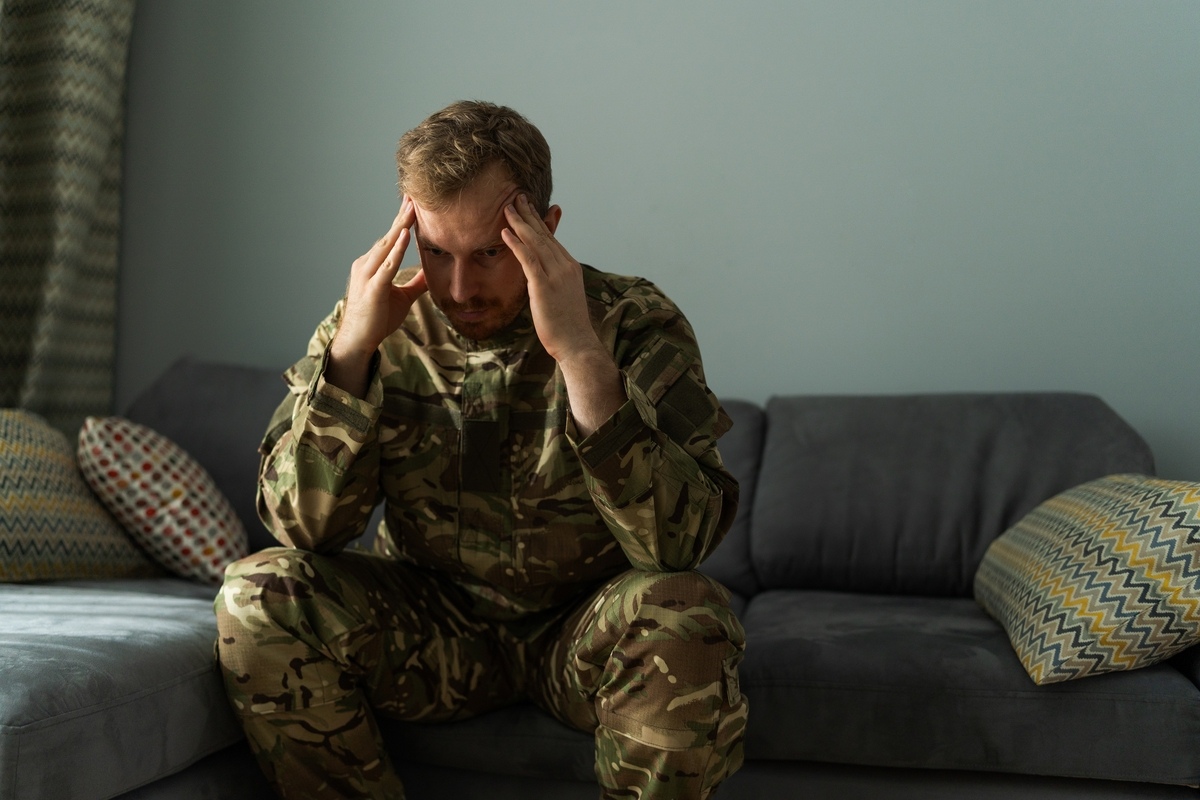
Veteran in uniform showing signs of fatigue and strain, relevant to TRT for veterans and the physical toll of military service

How Does TRT Help Veterans Stay Active After an Injury or Discharge?

If you served, and staying active feels harder now than it did during your time in uniform, it’s worth understanding how TRT for veterans actually works, and why testosterone levels are so often part of that picture. Between the physical toll of training, deployment, and injury, and the hormonal aftermath that can follow discharge, veterans face a distinct set of risk factors for low testosterone that civilians typically don’t. This article covers what the research shows about military service and testosterone, and how TRT specifically supports staying active during recovery from an injury or the transition after discharge. For a broader look at how testosterone replacement therapy works overall, that’s a good place to start before diving into the veteran-specific details below.

1. Why Veterans Face a Higher Risk of Low Testosterone

Military service places a distinct combination of stressors on the body that civilians rarely experience at the same intensity: sustained physical exertion, caloric restriction during field exercises, chronic sleep disruption, and prolonged psychological stress. Each of these factors independently suppresses testosterone production, and in combat and training environments, they often stack together.

On top of that, injuries sustained during service, particularly traumatic brain injuries and orthopedic injuries requiring extended recovery, can directly affect the hormonal systems that regulate testosterone production. Clinical guidance on screening for pituitary dysfunction after TBI specifically identifies hypogonadism as one of the hormone deficiencies that can follow a brain injury. The physical inactivity that often follows a service-related injury compounds the problem further, since reduced muscle use and mobility are themselves associated with lower testosterone levels over time.

2. What the Research Shows About Military Service and Testosterone

The connection between military training and testosterone suppression is well documented. A study of U.S. Army Rangers completing an 8-week training course found testosterone levels dropped by approximately 50% under the combined stress of intense physical exertion, caloric restriction, and sleep loss. Importantly, more recent research reviewing this and similar military field studies found that this kind of stress-induced suppression is typically a centrally mediated, reversible adaptation, meaning testosterone recovers once the body returns to adequate rest, nutrition, and reduced stress, rather than reflecting permanent testicular damage.

That reversibility matters, but it’s not the whole story. For veterans, the picture often shifts after discharge. A study examining testosterone testing and treatment trends among veterans treated at VA facilities found that low testosterone is common and increasingly prevalent in this population, particularly as veterans age past the point where the acute stress of active service has resolved but other risk factors, injury history, chronic pain, sleep disruption, and reduced activity levels, persist.

3. How TRT Supports Staying Active After an Injury or Discharge

For veterans in this second category, confirmed low testosterone following proper diagnostic testing, TRT can play a meaningful role in supporting the ability to stay physically active during recovery and beyond:

  • Muscle mass and strength: testosterone supports muscle protein synthesis, which matters directly during rehabilitation from an injury when maintaining strength and mobility is a priority
  • Bone density: veterans recovering from orthopedic injuries or dealing with the long-term physical toll of service benefit from testosterone’s role in maintaining bone strength
  • Energy and motivation: consistent energy levels make it more realistic to stick with a rehabilitation program or return to regular physical activity after a period of forced inactivity
  • Mood stability: the transition after discharge is already a significant life change, and stabilizing a physical contributor like testosterone can make that adjustment somewhat easier to manage alongside everything else

None of this means TRT is a substitute for physical therapy, structured rehabilitation, or mental health support during this transition. It’s one piece of a broader recovery picture, most effective when combined with the other elements of a veteran’s overall care plan.

4. What to Know Before Starting TRT as a Veteran

A few things are worth understanding before pursuing TRT specifically as a veteran:

  • Proper diagnosis matters more than symptoms alone. Fatigue and low motivation after discharge have many possible causes. Confirmed low testosterone requires blood testing, not just a symptom checklist, and clinical guidelines specifically call for careful evaluation of testosterone and pituitary function following a traumatic brain injury before starting treatment. One published case report described a veteran who experienced fatigue, sexual dysfunction, and weight gain for years after multiple mild TBIs during service, symptoms that resolved only after a full neuroendocrine workup identified low testosterone and appropriate treatment began.
  • Not every case of low testosterone found during or shortly after service needs TRT. Since training-related suppression is often reversible, timing matters. A single low reading during an intense training period is different from a confirmed, persistent deficiency found well after recovery.
  • VA care coordination is worth discussing. Whether you’re pursuing treatment through the VA, a civilian provider, or both, keeping your full medical history in view, including injury history and any related diagnoses, helps ensure TRT is evaluated in the right context.
  • Ongoing monitoring matters as much as starting treatment. Bloodwork tracking testosterone alongside hematocrit and other markers helps confirm the treatment plan continues to fit your specific situation.
  • Consistency matters, especially through a transition. Relocation, insurance changes, or gaps in care during the move from military to civilian life can interrupt treatment. It’s worth understanding what happens when you stop TRT before a disruption catches you off guard, so you can plan around it rather than lose progress unexpectedly.

5. What This Means for You

If you’re a veteran dealing with fatigue, reduced strength, or difficulty staying active after an injury or discharge, here’s a reasonable starting point:

  • Get tested before assuming. Confirmed bloodwork is the only way to know whether low testosterone is actually contributing to what you’re experiencing.
  • Factor in your injury history. If you experienced a TBI or a significant orthopedic injury during service, mention this specifically during evaluation, since it affects how your hormonal picture should be interpreted.
  • Treat TRT as one part of a broader plan. Physical therapy, structured exercise, and mental health support all continue to matter alongside any hormone treatment.
  • Look for a provider who understands the military context. A provider familiar with the specific stressors of service, and how they differ from ordinary age-related decline, can interpret your case more accurately.

Veterans who relocate after discharge, a common step for many transitioning out of service, can continue care without interruption through telehealth options like TRT in Florida, one of several licensed telehealth states available.

6. Frequently Asked Questions

Research shows low testosterone is common and increasingly prevalent among veterans treated at VA facilities, driven by a combination of physical stress during service, injury history, and lifestyle disruption that can persist after discharge.

Not usually. Studies on intensive military training show significant but typically reversible testosterone suppression tied to physical stress, caloric restriction, and sleep loss during the training period itself, with recovery once rest and nutrition normalize.

Yes. TBI can affect the pituitary gland’s ability to regulate hormone production, including testosterone. Clinical guidelines recommend specific evaluation of hormone and pituitary function following a TBI before starting any treatment.

No. TRT can support the physical foundation for staying active, such as muscle mass and bone density, but it works alongside physical therapy and structured rehabilitation, not in place of them.

Confirmed bloodwork is the only reliable way to know. Fatigue after discharge has many possible causes, and a thorough evaluation that considers your full service and injury history is important before attributing it to testosterone alone.

7. Conclusion

Veterans face a genuinely elevated risk of low testosterone, shaped by the physical stress of training, the aftermath of service-related injuries, and the lifestyle disruption that can follow discharge. Some of this suppression resolves naturally with recovery, but persistent, confirmed low testosterone is a different situation that TRT can meaningfully help address, particularly for staying physically active during rehabilitation or the broader transition to civilian life. The key is proper diagnosis first: understanding your specific history, including any injuries, before assuming testosterone is the explanation for how you’re feeling.

Key Takeaways

  • Military training can cause significant but often reversible testosterone suppression tied to physical and psychological stress
  • Low testosterone is more common and persistent among veterans overall, particularly following injury or after the acute stress of service ends
  • TRT can support muscle mass, bone density, energy, and mood during recovery, but works alongside physical therapy, not in place of it
  • A traumatic brain injury specifically warrants dedicated hormone and pituitary evaluation before starting treatment
  • Confirmed bloodwork, not symptoms alone, should guide the decision to pursue TRT

SERVICE TOOK A TOLL. LET'S FIND OUT WHAT'S ACTUALLY GOING ON.

Neil Williams, NP brings 24 years of Navy service and clinical experience in emergency and critical care medicine to every evaluation at Alive Total Wellness. As a veteran-owned clinic, understanding the specific physical toll of service is part of every consultation, not an afterthought.

Disclaimer: The information provided in this article is for educational purposes only and is not intended as medical advice. It does not replace the guidance of a qualified healthcare provider. Testosterone Replacement Therapy should only be pursued under the guidance of a licensed medical provider following a comprehensive evaluation and confirmed diagnosis. Individual results and timelines vary. If you are experiencing symptoms described in this article, consult a licensed medical professional before making any decisions about testing or treatment.