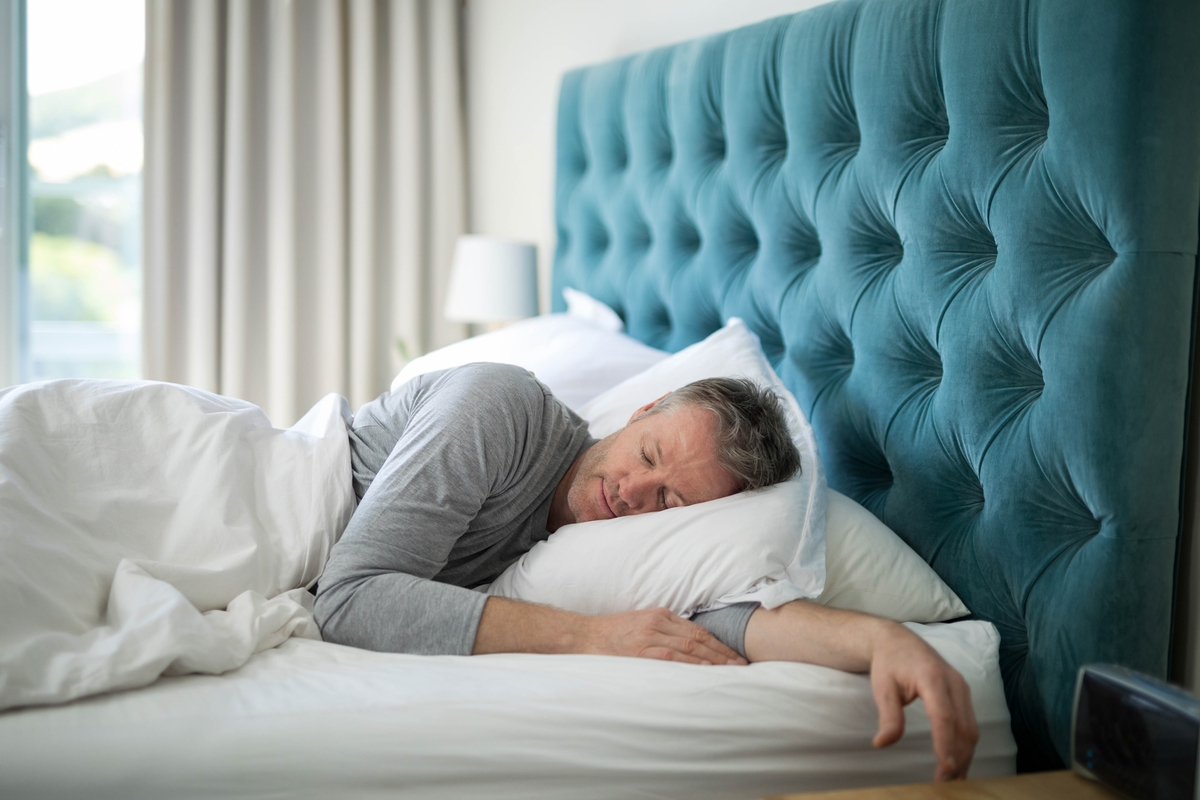
Does TRT Affect Sleep

Does TRT Affect Sleep? What Men Need to Know Before Starting Treatment

If you are researching testosterone replacement therapy, sleep is one of the first things you should understand. Many men start asking about TRT because they are exhausted, but what they do not always know is that the relationship between testosterone and sleep runs in both directions. Low testosterone disrupts sleep. Poor sleep suppresses testosterone. And TRT itself, when not properly managed, can affect sleep quality in ways that surprise men who were not expecting it.

For men in Chesapeake, VA considering TRT, understanding this connection before you start treatment can help you set realistic expectations and work more effectively with your provider.

The Connection Between Testosterone and Sleep

Testosterone and sleep are deeply linked at a hormonal level. The majority of your daily testosterone production happens during sleep, specifically during the REM and slow-wave stages that make up the deeper, more restorative parts of your sleep cycle.

When sleep is consistently poor; whether from stress, sleep apnea, shift work, or simply not getting enough hours and testosterone production takes a measurable hit. Research published through the National Institutes of Health confirms that even one week of sleep restriction in healthy young men can reduce daytime testosterone levels significantly.

This creates a cycle that is difficult to break without addressing both sides:

  • Poor sleep reduces testosterone production
  • Low testosterone makes it harder to achieve deep, restorative sleep
  • Fatigue from poor sleep is often mistaken for low testosterone alone

This is why a thorough evaluation before starting TRT matters. Your provider needs to understand your sleep patterns alongside your hormone levels to give you an accurate picture of what is driving your symptoms.

How Low Testosterone Disrupts Sleep

Men with clinically low testosterone frequently report sleep-related complaints that go beyond simple fatigue. The most common include:

  • Difficulty falling asleep despite feeling exhausted
  • Waking frequently during the night
  • Light, unrefreshing sleep that leaves you tired in the morning
  • Night sweats or temperature dysregulation
  • Increased anxiety or restlessness at bedtime

These symptoms are not always recognized as hormone-related because they overlap with stress, aging, and lifestyle factors. But when testosterone levels are measured and confirmed to be low, restoring them through TRT often produces improvements in sleep quality alongside the other benefits men expect from treatment.

Does TRT Improve Sleep?

For many men, yes. When low testosterone is the primary driver of poor sleep, restoring hormone levels to a healthy range can lead to noticeable improvements in sleep quality, including deeper sleep, fewer nighttime awakenings, and more consistent energy levels during the day.

Men in Chesapeake, VA who work physically demanding jobs, manage high-stress careers, or carry the lasting physical effects of military service often find that the fatigue they attributed to lifestyle was partly hormonal. Addressing the hormonal component through properly monitored TRT can shift the baseline significantly.

That said, TRT is not a guaranteed sleep fix. If other factors are disrupting your sleep like sleep apnea, high cortisol, poor sleep hygiene, or underlying anxiety; TRT alone will not resolve them. This is why providers who take a thorough approach to evaluation, including reviewing your sleep history, produce better outcomes than those who simply prescribe based on a single blood test.

The Sleep Apnea Warning Men Need to Know

This is one of the most important things to understand before starting TRT: testosterone replacement therapy can worsen obstructive sleep apnea in some men.

Sleep apnea is a condition where breathing repeatedly stops and starts during sleep. It is already more common in men with low testosterone, particularly those who are overweight or have metabolic risk factors. When TRT is introduced, it can stimulate upper airway muscle changes and affect respiratory drive in ways that may intensify apnea episodes in susceptible individuals.

This does not mean TRT is off the table for men with sleep apnea. It means that your provider needs to know your sleep apnea status before starting treatment, and that men with untreated or undiagnosed sleep apnea should be evaluated before beginning therapy.

If you snore heavily, wake up gasping, or have been told you stop breathing during sleep, raise this with your provider at your consultation. Understanding what a TRT consultation really involves including the health history review will show you why this step matters more than many men realize.

What to Expect With Sleep After Starting TRT

The timeline of sleep-related changes on TRT varies from man to man, but here is what most men experience in the early weeks and months:

Weeks 1 to 4: Some men report feeling more alert during the day relatively quickly. Others notice increased restlessness or vivid dreams early in treatment as their body adjusts to shifting hormone levels. This is generally temporary.

Weeks 4 to 12: As hormone levels stabilize within a therapeutic range, many men report more consistent sleep quality. Energy levels during the day become more predictable. The afternoon energy crash that many low-testosterone men experience begins to improve.

Beyond 3 months: With properly managed TRT and ongoing monitoring, most men see a sustained improvement in both energy and sleep quality. Those who were experiencing night sweats related to hormonal fluctuation often find that this resolves as levels become more stable.

It is worth noting that the delivery method of TRT can influence sleep as well. Testosterone levels that peak sharply after an injection and then drop significantly before the next dose can create hormonal fluctuations that affect mood, energy, and sleep. Discussing delivery method and dosing schedule with your provider is part of optimizing your experience on therapy.

To better understand how different delivery methods affect your body, read how testosterone replacement therapy works for a clear explanation of the mechanisms involved.

Lifestyle Factors That Support Sleep on TRT

TRT works best when it is supported by habits that reinforce hormonal balance. Sleep is one of the most powerful levers you can pull alongside treatment. Men in Chesapeake, VA who combine TRT with consistent sleep habits tend to see stronger results than those who rely on therapy alone.

Practical steps that support sleep quality during TRT:

  • Consistent sleep and wake times — your body’s hormone release is tied to circadian rhythm, and inconsistency disrupts this
  • Limiting alcohol — alcohol suppresses REM sleep and interferes with testosterone production even while on TRT
  • Managing blue light exposure — screens in the hour before bed delay melatonin release and fragment sleep architecture
  • Resistance training earlier in the day — exercise improves sleep quality but intense training late at night can elevate cortisol and delay sleep onset
  • Addressing stress directly — elevated cortisol suppresses testosterone and disrupts sleep simultaneously, making stress management a non-negotiable part of any hormone optimization plan

When to Talk to Your Provider About Sleep and TRT

Do not wait until sleep problems are severe to bring them up with your provider. At any stage of TRT before starting, during the early weeks, or well into treatment — sleep quality is a meaningful clinical signal that should be part of your ongoing conversations.

Specifically, speak to your provider if:

  • You were sleeping poorly before TRT, and it has not improved after 8 to 12 weeks
  • Sleep got worse after starting TRT rather than better
  • You have symptoms of sleep apnea that have appeared or worsened since starting treatment
  • You are waking more frequently or experiencing night sweats that were not present before

These are not signs that TRT has failed. They are signals that your protocol may need adjustment and that is exactly what ongoing monitoring is designed to catch. 

Frequently Asked Questions

In some men, particularly in the early weeks of treatment or when hormone levels fluctuate significantly between doses, TRT can contribute to restlessness or disrupted sleep. This is usually a dosing or timing issue rather than a reason to stop therapy. Your provider can adjust your protocol to smooth out hormonal peaks and troughs that may be affecting your sleep.

Both. Low testosterone can disrupt sleep architecture, making it harder to reach and maintain deep sleep. At the same time, chronic sleep deprivation measurably reduces testosterone production. In most men with both low T and poor sleep, the two conditions are reinforcing each other simultaneously.

Not necessarily for everyone — but if you have symptoms of sleep apnea, your provider may recommend one before beginning treatment. Untreated sleep apnea can worsen on TRT, so identifying it beforehand allows your provider to structure your treatment accordingly.

Many men notice improvements in daytime energy within the first four to six weeks. Deeper changes in sleep quality, including fewer nighttime awakenings and more restorative rest, often become more apparent between weeks eight and twelve as hormone levels stabilize.

This is a conversation to have with your provider. Some sleep aids interact with hormone metabolism or suppress natural sleep architecture. Your provider can advise on what is appropriate given your specific protocol and health history.

Yes. Delivery methods that create large peaks and troughs in testosterone levels such as infrequent injections can produce hormonal fluctuations that affect mood and sleep. More frequent dosing or different delivery methods can smooth these fluctuations. This is one reason why dosing schedules are individualized rather than one-size-fits-all.

Final Thoughts

The relationship between TRT and sleep is not simple, and that is exactly why it deserves attention before you start treatment. For most men with clinically low testosterone, properly managed TRT improves both energy and sleep quality over time. But the transition is not always linear, sleep apnea is a real consideration, and lifestyle factors play a meaningful supporting role.

If you are in Chesapeake, VA and wondering whether TRT is right for you, the best first step is a thorough consultation with a provider who takes your full health picture into account including your sleep. Learn more about what treatment looks like for men in your area on our Testosterone Replacement Therapy in Chesapeake, VA page. The team at Alive Total Wellness is here to help you understand your options and make a decision based on real data, not guesswork. Reach out through the contact page or book a telemedicine consultation at your convenience.

Medical Disclaimer

This content is for educational purposes only and does not constitute medical advice. Decisions about testosterone replacement therapy should only be made in consultation with a licensed medical professional.

Reference

Leproult, R., & Van Cauter, E. (2011). Effect of 1 week of sleep restriction on testosterone levels in young healthy men. JAMA, 305(21), 2173–2174. https://doi.org/10.1001/jama.2011.710

Mayo Clinic. (n.d.). Testosterone therapy: Potential benefits and risks as you age. https://www.mayoclinic.org/healthy-lifestyle/sexual-health/in-depth/testosterone-therapy/art-20045728