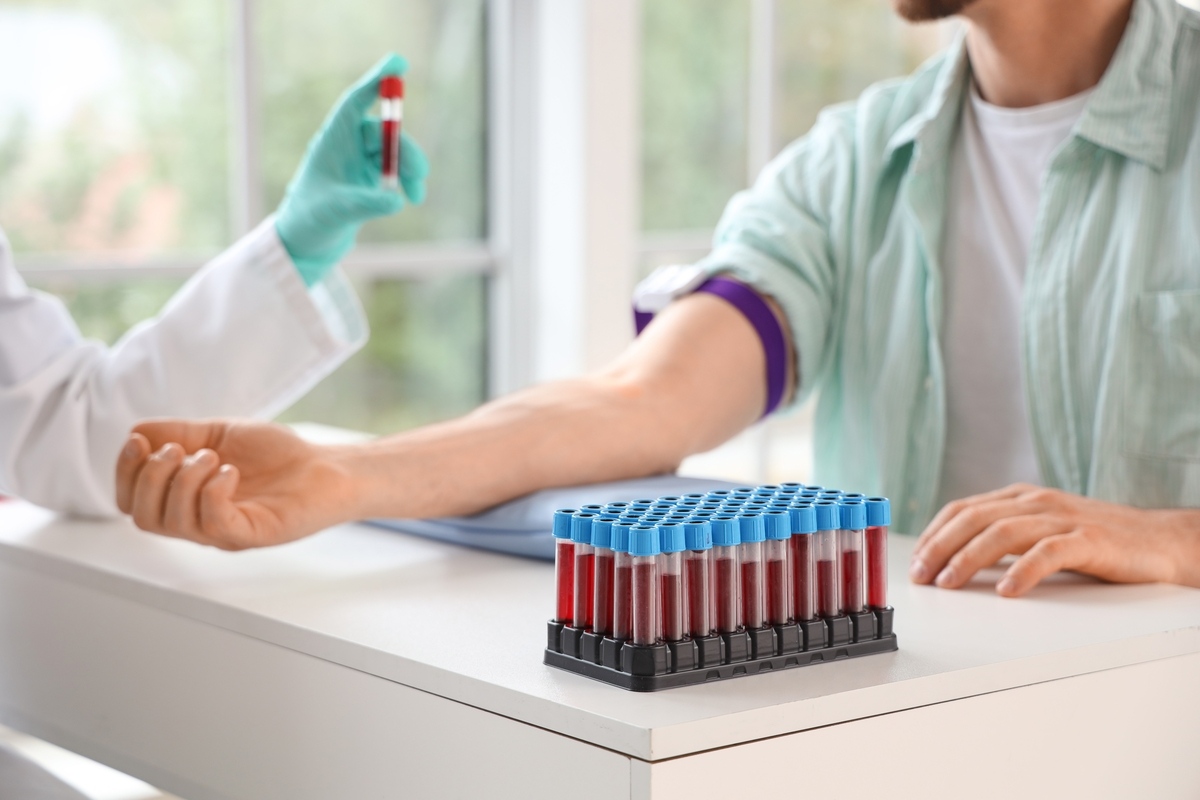
Man getting blood tests for TRT at a clinic in Chesapeake VA

What Blood Tests Are Done Before Starting TRT?

If your doctor has mentioned checking your testosterone or you are considering TRT for the first time, understanding what blood tests for TRT actually involve is one of the most useful things you can know before your first appointment. The lab work done before starting testosterone replacement therapy is not just a formality. It is the clinical foundation that determines whether treatment is appropriate, what your baseline looks like, and how your provider will monitor your health throughout treatment. This post breaks down every test in the panel, why each one matters, and what Chesapeake men should expect from the process. If you have already been noticing the signs of low testosterone, read Signs You Need TRT in Chesapeake, VA before your first appointment.

1. Why Blood Tests for TRT Matter Before Treatment Begins

Many men assume that a single testosterone reading is enough to start treatment. In practice, the blood tests for TRT required before starting therapy are more comprehensive than most men expect, and for good reason. According to the American Urological Association, a diagnosis of testosterone deficiency requires at least two total serum testosterone measurements below 300 ng/dL taken on separate mornings before 10 a.m., along with a clinical symptom evaluation.

Beyond confirming low testosterone, the pre-treatment blood panel identifies conditions that could make TRT unsafe, establishes baseline values that your provider will compare against as treatment progresses, and gives a full picture of your hormonal and metabolic health before any medication is introduced.

2. The Complete Blood Tests for TRT Panel Explained

Total Testosterone

This is the primary test that confirms whether a deficiency exists. Total testosterone measures all testosterone in your bloodstream including both the bound and unbound portions. According to the Endocrine Society’s clinical practice guidelines, total testosterone should be measured on two separate mornings before 10 a.m. A reading below 300 ng/dL on both occasions is the standard threshold for confirming testosterone deficiency before treatment is considered.

Free Testosterone

Free testosterone measures the portion of testosterone that is unbound and biologically active — the portion your body can actually use. It is possible to have a total testosterone reading that appears acceptable while free testosterone is low enough to cause real symptoms. Many providers include this test to get a complete picture, particularly in men whose total testosterone sits near the borderline.

Sex Hormone Binding Globulin (SHBG)

SHBG is a protein that binds to testosterone and makes it unavailable for use. High SHBG levels can reduce the amount of free testosterone available even when total levels appear normal. Testing SHBG alongside total and free testosterone helps explain why some men have symptoms of low testosterone despite lab values that look adequate on paper.

Luteinizing Hormone (LH) and Follicle Stimulating Hormone (FSH)

According to the American Urological Association, LH and FSH testing helps determine whether low testosterone is primary or secondary in origin. Primary hypogonadism means the testes themselves are not producing adequate testosterone. Secondary hypogonadism means the signaling from the brain is insufficient. This distinction matters for treatment planning and for identifying any underlying conditions requiring further evaluation.

Estradiol

Testosterone converts to estradiol through a process called aromatization, and estradiol plays an important role in bone health, mood, and cardiovascular function in men. Baseline estradiol testing before starting TRT allows your provider to monitor this conversion throughout treatment and manage any imbalances that arise.

Complete Blood Count (CBC)

The CBC measures red blood cells, white blood cells, and platelets. TRT stimulates red blood cell production, which can raise hematocrit levels over time. A baseline CBC before starting treatment establishes your starting point and identifies any pre-existing blood count issues that could affect TRT safety. During treatment, hematocrit is one of the most closely monitored values in the ongoing panel.

Prostate Specific Antigen (PSA)

PSA testing screens for prostate health before TRT begins. According to baseline testing guidelines summarized by Dr. Oracle, PSA testing is included in baseline blood tests for TRT for men over 40 to screen for prostate cancer risk before treatment initiation. TRT is not appropriate for men with active or untreated prostate cancer, and a baseline PSA gives your provider a reference point for monitoring throughout treatment.

Comprehensive Metabolic Panel (CMP)

The CMP assesses kidney and liver function, electrolytes, and blood glucose. This test helps identify any organ function concerns before TRT begins and establishes metabolic baselines that are monitored as treatment continues.

Lipid Panel

A lipid panel measures cholesterol and triglyceride levels. Testosterone affects lipid metabolism, and a baseline lipid panel allows your provider to monitor any changes in cardiovascular risk markers during treatment.

Hemoglobin A1c

HbA1c measures average blood sugar levels over the past two to three months and screens for diabetes or pre-diabetes. Men with insulin resistance or metabolic syndrome are more likely to have low testosterone, and identifying metabolic issues before treatment begins allows for a more complete and effective treatment plan.

3. When and How Blood Tests for TRT Are Done

Timing matters significantly for testosterone testing. Testosterone follows a diurnal rhythm, peaking in the early morning and declining through the afternoon and evening. All blood tests for TRT must be scheduled before 10 a.m. for results to be clinically valid. An afternoon reading can produce a falsely low result that does not accurately reflect your hormonal status.

Most panels also require fasting for 8 to 12 hours before testing and avoiding biotin supplements for at least 72 hours beforehand to prevent laboratory interference. Your provider will give you specific preparation instructions before your blood draw.

4. What Happens After Your Blood Tests for TRT Come Back

Receiving your results is not the end of the process but it is the beginning of the clinical conversation. A single set of numbers only tells part of the story. Your provider will review your results alongside your symptom profile, health history, and the pattern of your lab values together to determine whether treatment is appropriate, which delivery method suits your situation, and what your monitoring schedule will look like going forward.

To understand exactly what that evaluation conversation involves from start to finish, visit Testosterone Replacement Therapy in Chesapeake, VA at Alive Total Wellness.

5. Ongoing Blood Tests for TRT After Starting Treatment

The pre-treatment panel is only the beginning. Blood tests for TRT continue throughout treatment to ensure your levels stay in the optimal range and to monitor for any side effects that require dosing adjustments. According to the Endocrine Society, testosterone levels, hematocrit, and PSA should be monitored at regular intervals after starting treatment, with testing typically scheduled at 3 and 6 months in the first year and then annually once levels are stable.

The ongoing monitoring panel typically includes:

  • Total and free testosterone to confirm levels are in the therapeutic range
  • Hematocrit and hemoglobin to screen for erythrocytosis
  • PSA to monitor prostate health
  • Estradiol to assess aromatization and manage any related symptoms
  • CBC and metabolic markers at scheduled intervals

Staying consistent with monitoring appointments is one of the most important things a man can do to ensure his TRT remains both safe and effective over the long term.

6. Frequently Asked Questions

A comprehensive pre-treatment panel includes total testosterone, free testosterone, SHBG, LH, FSH, estradiol, CBC, PSA, CMP, lipid panel, and HbA1c. The exact panel may vary slightly depending on your provider and individual health history. At minimum, two separate morning total testosterone readings below 300 ng/dL are required to confirm a diagnosis before treatment begins.

Testosterone follows a diurnal rhythm, meaning levels are highest in the early morning and decline throughout the day. Testing before 10 a.m. ensures your results reflect your peak testosterone level and gives the most clinically accurate reading. Afternoon testing can produce falsely low results that do not represent your true hormonal status.

Normal total testosterone does not always mean normal free testosterone. If your SHBG is elevated, your free testosterone may be low enough to cause symptoms even when total testosterone appears adequate. Your provider will review both values together alongside your symptoms to determine whether treatment is clinically appropriate for your situation.

The Endocrine Society recommends monitoring at 3 and 6 months during the first year of treatment and then annually once levels are stable. Hematocrit, PSA, and testosterone levels are the most frequently monitored values. Your provider will set your specific monitoring schedule based on your individual response to treatment.

Yes. Alive Total Wellness serves Chesapeake and the entire Hampton Roads region. Lab work is ordered as part of your initial consultation and ongoing monitoring. Both in-person and telemedicine appointments are available, and your provider will guide you through the full process from your first blood draw through ongoing monitoring.

7. Conclusion

Understanding what blood tests for TRT involve before your first appointment gives you a significant advantage. You will know what to expect, why each test matters, and what your results actually mean when your provider reviews them with you. For Chesapeake men who are ready to find out whether testosterone replacement therapy is right for their situation, the process starts with a single morning blood draw and a provider who takes the time to explain what the numbers actually mean. Learn more about Testosterone Replacement Therapy at Alive Total Wellness and take the first step toward getting real answers.

Key Takeaways

  • Blood tests for TRT go beyond a single testosterone reading — a comprehensive panel covers hormones, blood health, prostate markers, and metabolic function
  • Testing must be done in the morning before 10 a.m. when testosterone levels are naturally at their peak
  • A diagnosis of testosterone deficiency requires two separate low readings taken on different mornings, not just one
  • The panel protects your health by identifying contraindications and establishing a baseline before treatment begins
  • Ongoing blood tests for TRT are required every 3 to 6 months after starting treatment to ensure safety and effectiveness
  • Results are only meaningful when reviewed alongside your symptoms by a qualified provider

KNOW YOUR NUMBERS BEFORE YOU START.

If you are considering TRT and want to understand exactly what the blood work involves, a consultation with Neil Williams, NP will walk you through every step. It is a straightforward conversation, not a commitment to treatment.

Disclaimer:The information provided in this article is for educational purposes only and is not intended as medical advice. It does not replace the guidance of a qualified healthcare provider. Blood test requirements for TRT may vary based on individual health history and clinical judgment. If you are considering testosterone replacement therapy, consult a licensed medical professional before making any decisions about testing or treatment. Alive Total Wellness provides personalized evaluations to help determine what is right for your individual situation.

References

American Urological Association. (2024). Evaluation and Management of Testosterone Deficiency. https://www.auanet.org/guidelines-and-quality/guidelines/testosterone-deficiency-guideline

Bhasin, S., et al. (2018). Testosterone therapy in men with hypogonadism: an Endocrine Society clinical practice guideline. https://pubmed.ncbi.nlm.nih.gov/29562364/

Dr. Oracle. (2025). What lab monitoring is required for patients receiving testosterone injections. https://www.droracle.ai/articles/107086/what-lab-monitoring-is-required-for-patients-receiving-testosterone

Cleveland Clinic. (2025). Testosterone replacement therapy: what it is. https://my.clevelandclinic.org/health/treatments/testosterone-replacement-therapy-trt